
01
AI & Intelligent Automation
Practical AI, document intelligence and automation that remove repeat work and make information easier to act on.
- AI assistants
- Workflow automation
- Applied ML

We build smart, scalable, and secure digital solutions that help businesses grow, automate operations, and move forward with confidence.
A practical technology partner for businesses that need the work to hold up after launch.
Scroll to exploreMost technology projects begin with a request for a tool. The useful starting point is the constraint underneath it: where work stalls, where data disagrees, and where people compensate for the system.
Common pattern
01 of 05
Work is increasing, but the systems around it were designed for a smaller company. Orders, approvals and reports still move through spreadsheets, inboxes and individual memory.
What changes
Map the real workflow, remove duplicate handoffs and give each step a clear owner and visible status.
Strategy, engineering, data and cloud decisions affect each other. We scope them together so the system you launch still makes sense when the next requirement arrives.
Practical AI, document intelligence and automation that remove repeat work and make information easier to act on.
One operational system for finance, inventory, sales and customer records — shaped around how your teams actually work.
Corporate sites, commerce and internal applications built for clarity, speed and the work people need to complete.
Cloud infrastructure, integrations and analytics that keep systems available and decisions based on current data.
Independent diagnosis, a costed roadmap and phased change that integrates with the systems you already run.
Purpose-built platforms and tools for processes that generic software cannot fit without compromise.
The visible interface is only one layer. The work behind it connects data, permissions, integrations and the decisions people need to make each day.

Systems designed around a defined operational problem. Each entry documents the scope, architecture and intended capability without inventing client names or unverified outcomes.
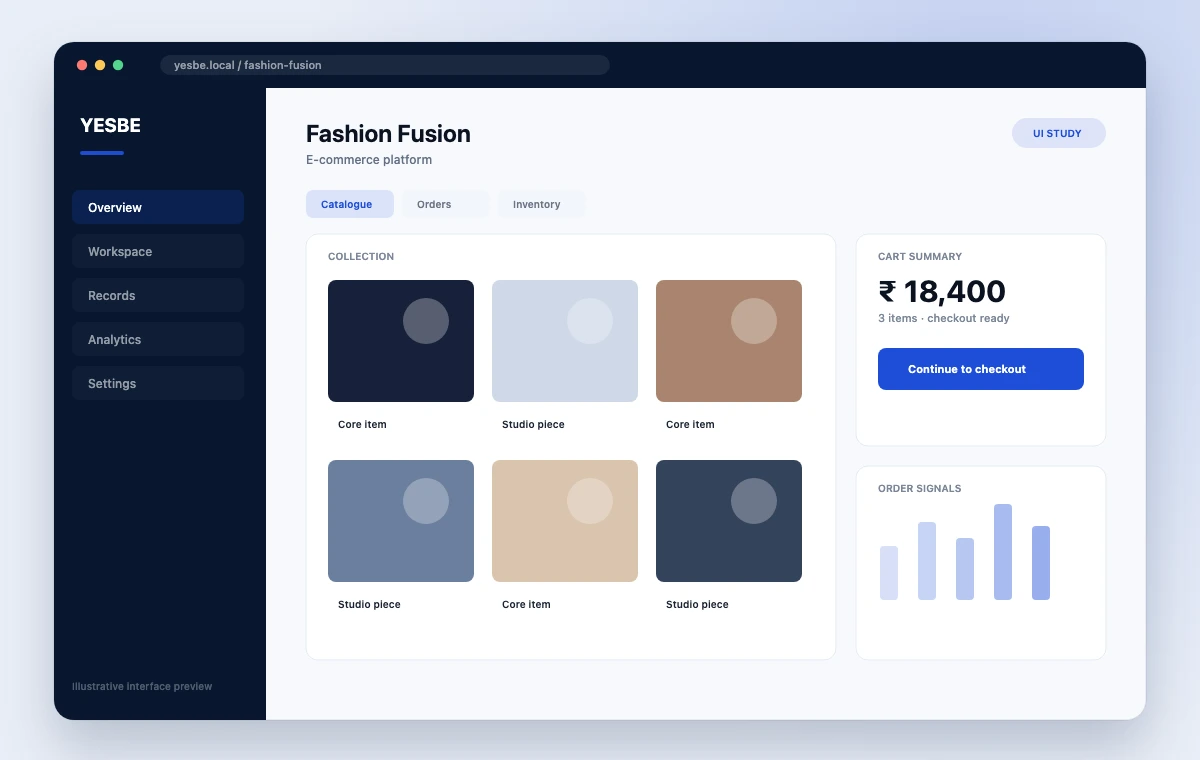
A full-stack e-commerce platform for a clothing retail scenario — product catalogue, cart, checkout, inventory and order management in one system.
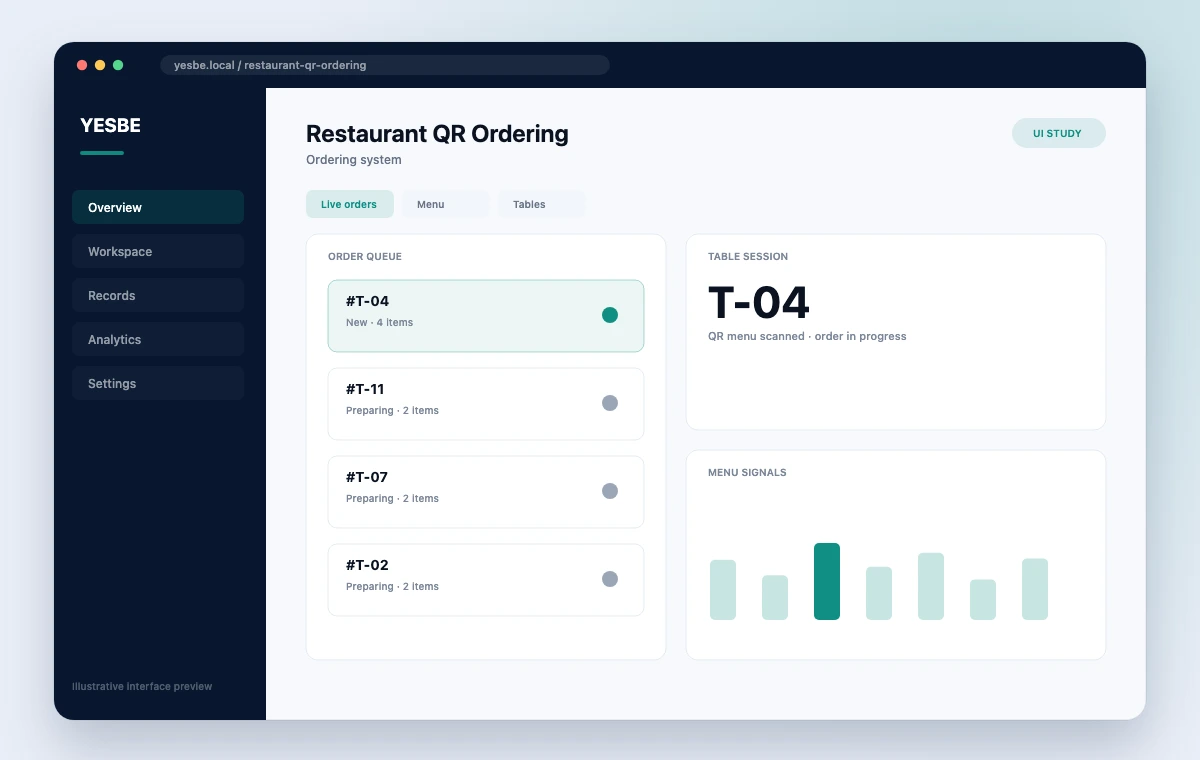
QR-based ordering — customers browse the menu and place their order from their own phone, and it appears in the kitchen queue.
View project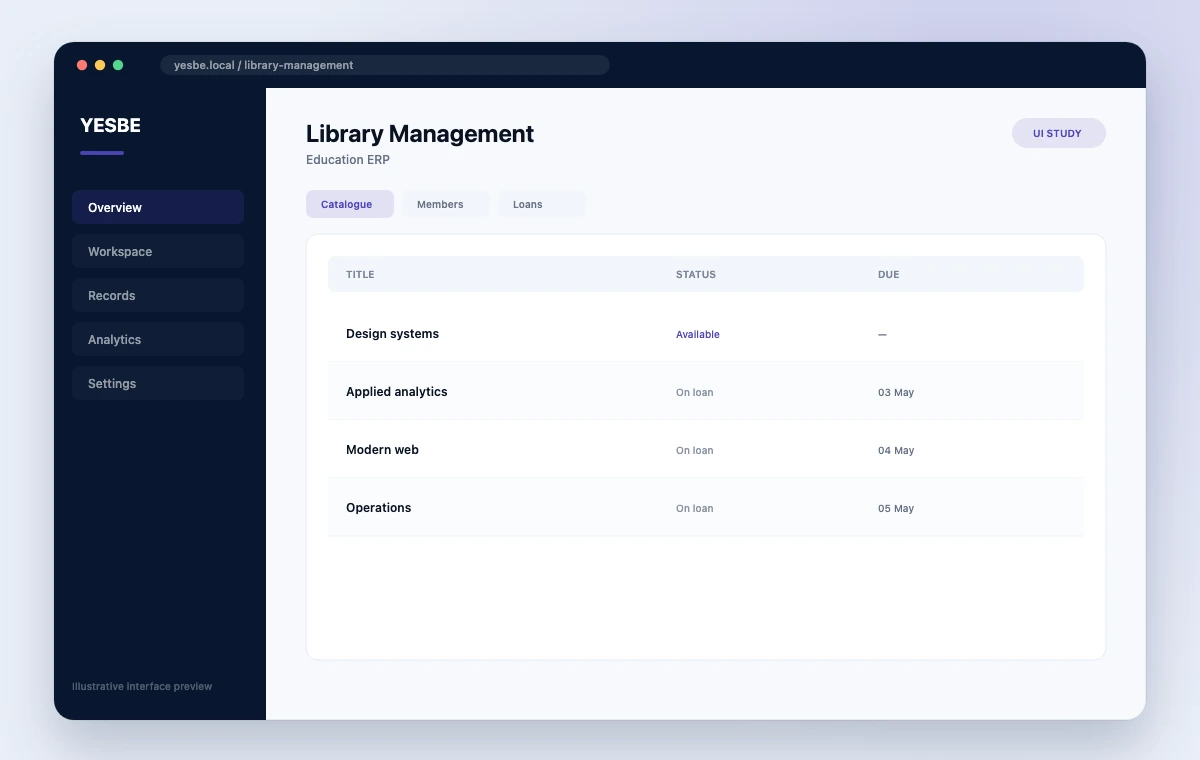
A digital library system — catalogue search, member management, issue and return tracking, automated fines and reporting.
View projectThe same engineering discipline does not produce the same system in a hospital, a factory and a retail business. Constraints, compliance and daily workflows change what good looks like.
View all 11 industries
Before the proposal
We map the current workflow, constraints and decision points first.
The useful difference is not a larger team or a longer list of tools. It is how decisions are made, how scope is controlled and what happens when the project leaves the proposal stage.
Every stage produces something you can inspect and decide on: a documented problem, a bounded scope, working software, a launch plan, or evidence for the next move. Select a stage to see what the work contains.
Stage 01
Understand the work before proposing the technology.
We speak to the people doing the work, review the current systems and separate the visible symptom from the underlying constraint.
Typical outputs
Plain-language guides on the technology, trade-offs and operating questions that sit behind most projects.

Discover how AI, automation, and intelligent assistants can reduce costs, improve efficiency, and give your business a measurable competitive edge.
Read the guide
ERP manages operations, CRM manages relationships. Learn the difference, when you need each, and how to combine them for a complete system.
Read the guide
A practical guide to choosing the best technology stack for your website — from React and Next.js to WordPress — based on your real requirements.
Read the guideTalk to the people who would actually shape and deliver the work. We will help you separate what needs building from what needs changing.
Share the problem
A short call about what is not working, not a sales presentation.
Get an honest read
We tell you whether technology is the constraint, and what the first step should be.
Choose the next move
Leave with a clear recommendation for scope, sequence and the people involved.


